
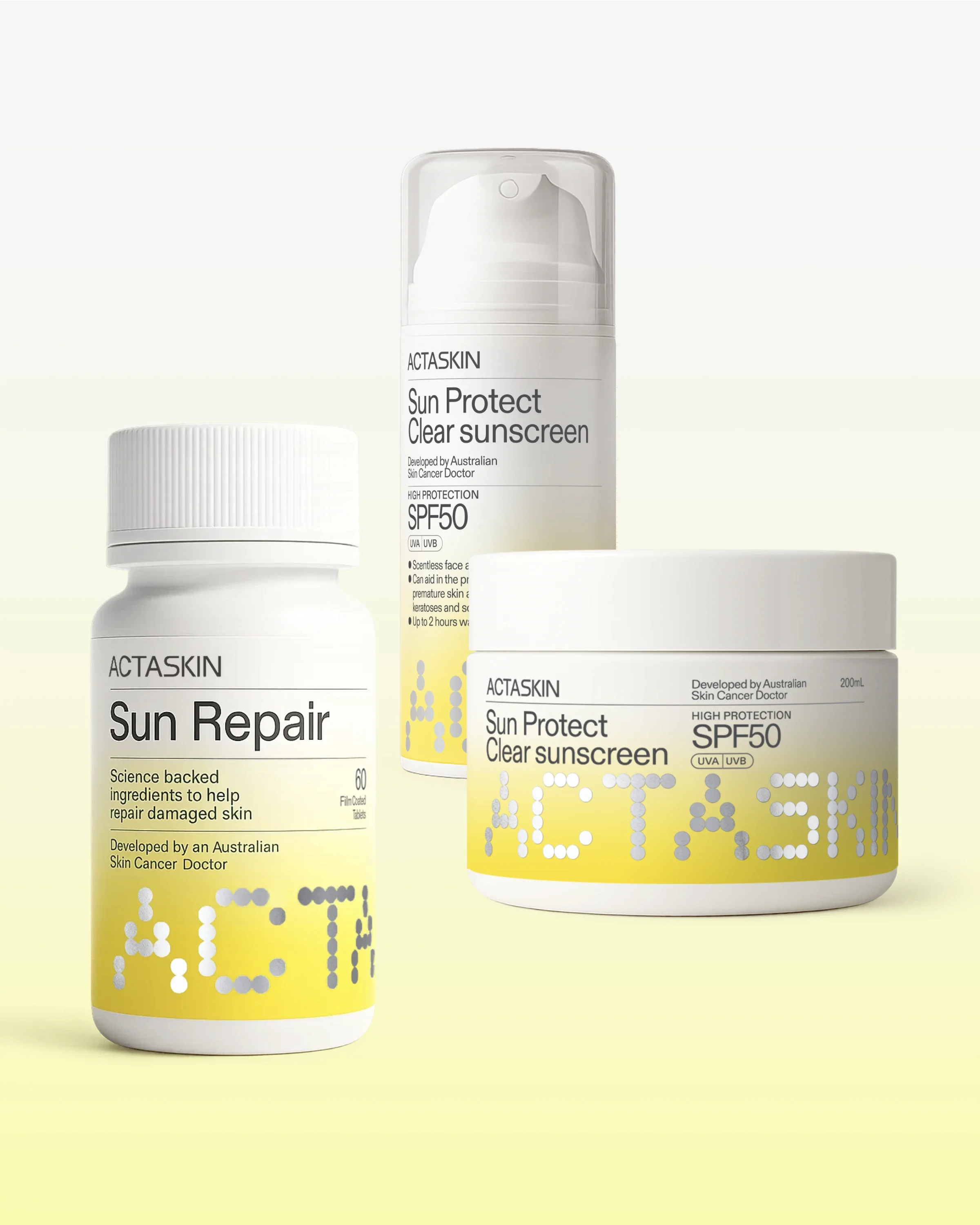


Sun Protect SPF50+
Why Sun Protect Works Better
SPF 50+
Broad spectrum protection against UVA and UVB rays, at the highest labelled level available.
5
UV filters working together, layered for consistent broad spectrum coverage.
4%
Niacinamide, the concentration used in dedicated Niacinamide treatments, not a trace amount.
Protection that doesn't feel like heavy
Broad spectrum SPF 50+ in a rich balm that melts down to a weightless, matte finish. No chalk, no shine.
A moisture barrier that gets backup
4% Niacinamide supports stronger barrier and a more even tone.
Hydration that sticks around
Sodium hyaluronate and panthenol keep skin comfortable and hydrated hours after application.
Makeup-proof finish
Sets matte. Sits invisibly under foundation, tint with no pilling.
Formulated to disappear
No added fragrance. What's left on skin is the finish, not a scent.
Water, Diethylamino Hydroxybenzoyl Hexyl Benzoate, Isoamyl p-Methoxycinnamate, Octocrylene, Propanediol, Dibutyl Adipate, Niacinamide, Polyglyceryl-3 Methylglucose Distearate, Polymethylsilsesquioxane, Octyl Triazone, Caprylyl Methicone, Butyrospermum Parkii (Shea) Butter, Poly C10-30 Alkyl Acrylate, Potassium Cetyl Phosphate, Phenylbenzimidazole Sulfonic Acid, Panthenol, Hydroxyacetophenone, Phenoxyethanol, Acrylates/C10-30 Alkyl Acrylate Crosspolymer, Chlorphenesin, Potassium Hydroxide, Xanthan Gum, Disodium EDTA, Sodium Hyaluronate, Pantolactone, Lactic Acid, Sodium Hydroxide

Customers praised this sunscreen for its lightweight, non-greasy formula that "blends in really well" with no white cast. Shoppers appreciated the velvety finish, hydration benefits, and compatibility under makeup. The SPF 50 protection was valued by mature customers. All reviews were 5-star ratings highlighting the product's effectiveness.
- Blends in really well, doesn't feel heavy greasy or sticky, no white residue
- Melts into the skin easily, no nasty white cast, leaves a velvety finish
- Feels so hydrating without the oiliness
This sunscreen blends in really well, doesn’t feel heavy greasy or sticky, it doesn’t leave a white residue. I have had no bad skin reaction when applying, no burning or stinging.

The sunscreen melts into the skin easily, no nasty white cast, leaves a velvety finish and no pilling under make up. Non comedogenic also. Wore well with my combination skin plus no greasiness. Very nice product.
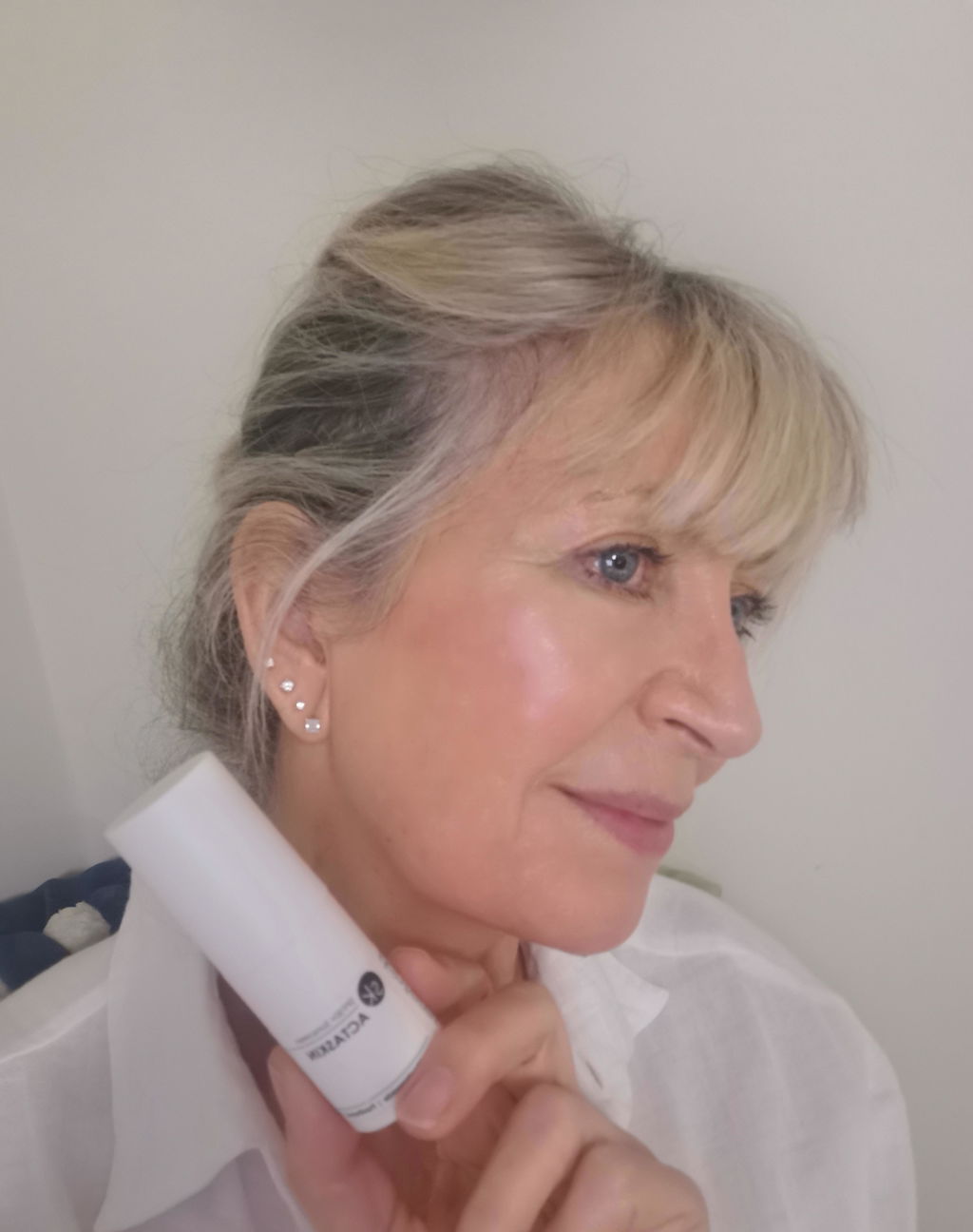
I received a sample of your sunscreen and am so happy with it. It’s light and non-greasy, perfect for under make up and am so glad it provides complete sun protection for my skin as I am in my 60’s and have sun damage from many years ago.
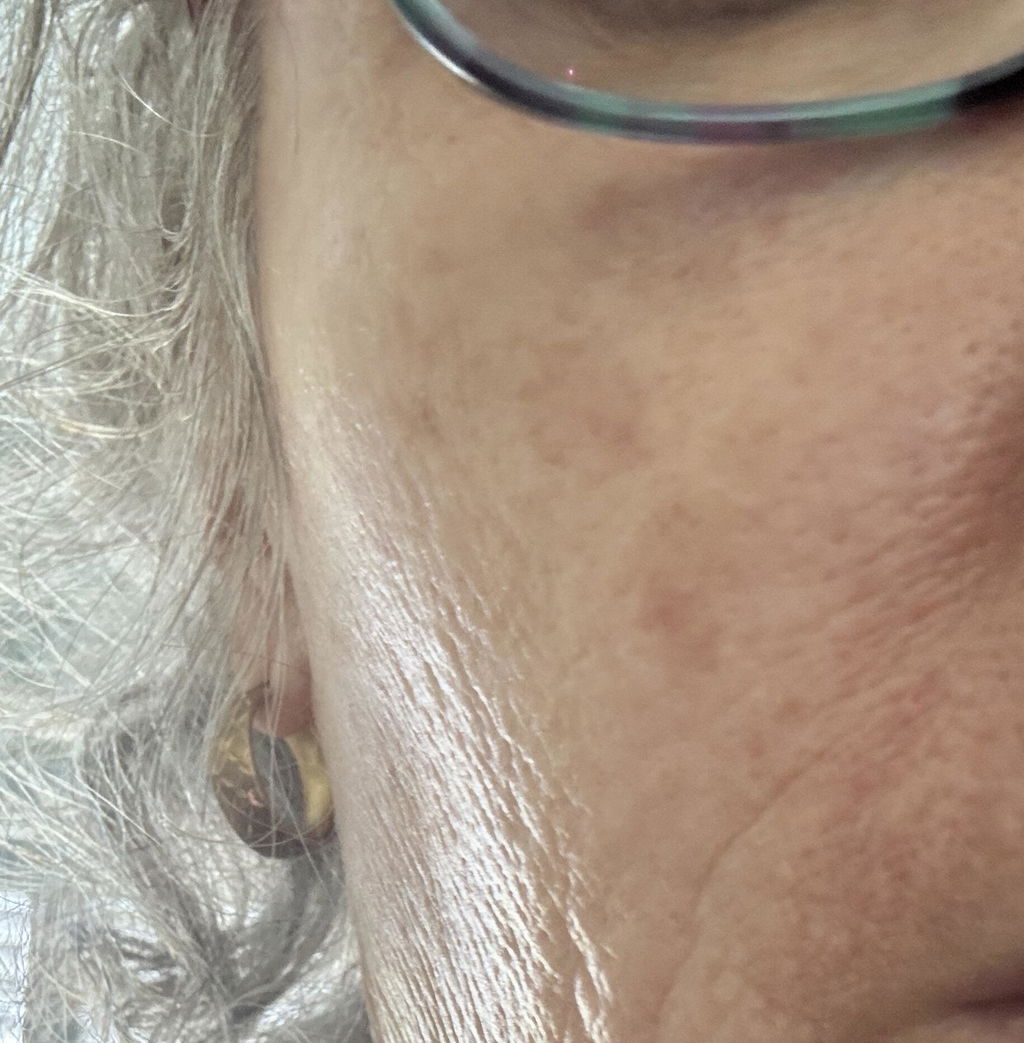
Love this product. Leaves your skin hydrated, light allowing your skin to breath. Added bonus is a subtle shine/glow
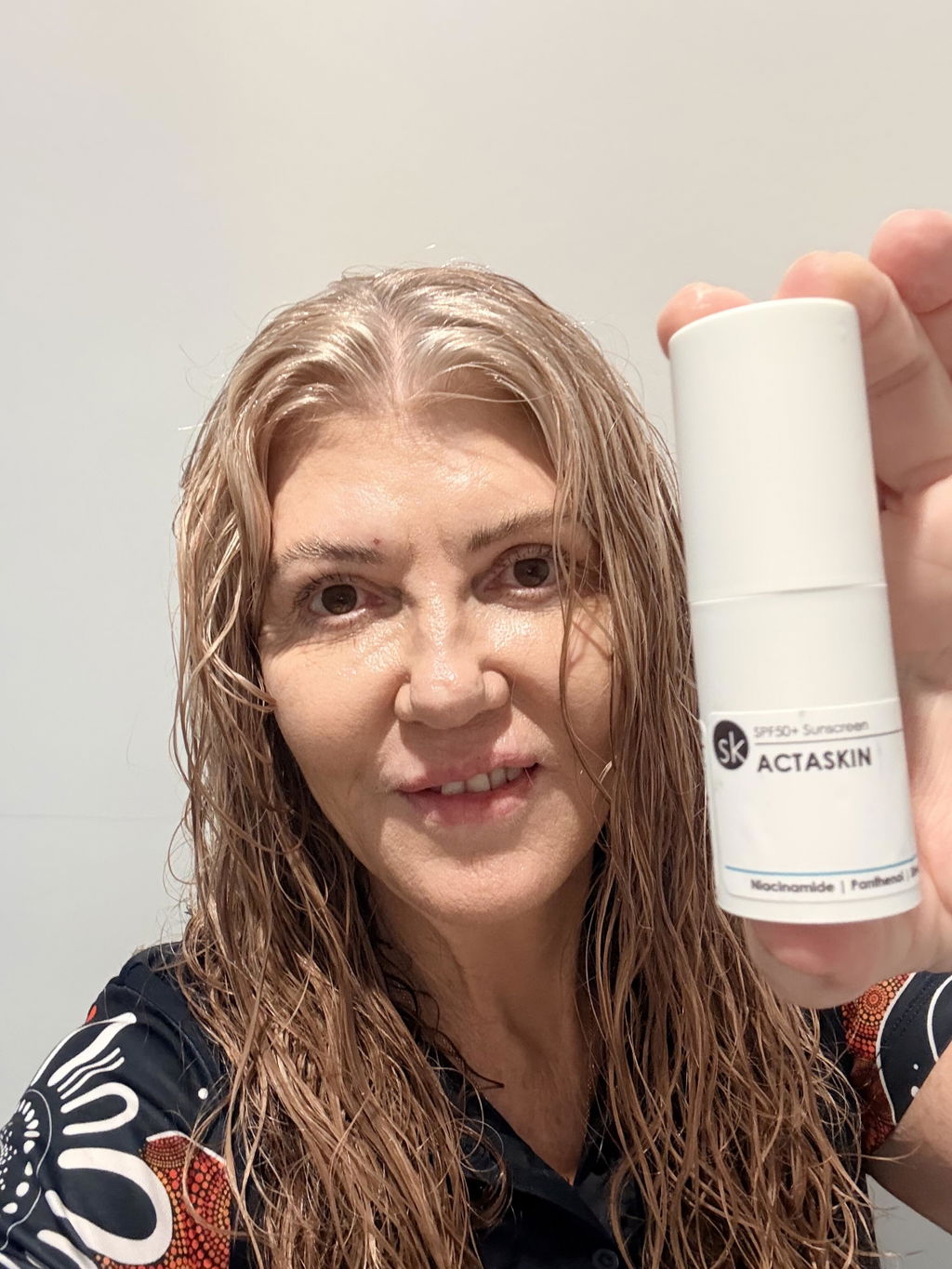
Been waiting for this sunscreen for a long time! I am in my 50s so drier skin and it feels so hydrating without the oiliness. I also trust the brand because its been developed by a an expert

Frequently Asked Questions
-
Yes, Actaskin’s Sun Protect sunscreen is thoughtfully formulated for sensitive skin. Most skin reactions to sunscreen aren’t caused by the UV filters, but by added ingredients like fragrances, essential oils, preservatives, and botanical extracts. These are often used to improve scent, texture, or marketing appeal—but they’re also common triggers for irritation, stinging, or allergic reactions, especially in sensitive skin.
We left all that out.
Actaskin’s formula is deliberately minimal and clinically informed. It’s free from fragrance, drying alcohols, and unnecessary additives—just modern, well-tolerated organic UV filters that deliver broad-spectrum protection without clogging pores or feeling heavy.
If your skin is highly reactive, we always recommend patch testing first—just to be safe.
-
Yes, and so are all sunscreens!
While some studies have shown that certain sunscreen ingredients, like oxybenzone and octinoxate, can contribute to coral bleaching under specific conditions, the actual environmental impact of sunscreen on coral reefs is negligible. Research suggests that the concentrations of these ingredients in the ocean are far too low to cause harm, and that coral bleaching is primarily driven by larger issues such climate change, ocean acidification and pollution.
-
Sunscreens are not tested on infants younger than 6 months, so there’s limited evidence on how safe they are for this age group. Australia’s Therapeutic Goods Administration recommends against sunscreen use under 6 months of age.
The primary cause of skin reactions to sunscreen is often not the UV filters themselves, but added ingredients like fragrances, essential oils, and botanical extracts. That’s why Actaskin’s Sun Protect Sunscreen—formulated without these common irritants—is suitable for children over 6 months of age, provided they tolerate the product well. While sunscreens are safe when used properly, the best approach for kids is a combination of sunscreen and physical sun protection to minimise UV exposure.
-
While there are differences between sunscreen formulations, the face vs. body sunscreen divide is often driven by clever marketing aimed at selling more products at higher price points. Yes, facial skin can be more sensitive or acne-prone, but that doesn’t mean you need two separate products. Many dermatologists argue this distinction is overstated and driven more by consumer targeting than necessity. Face sunscreens also tend to cost significantly more per volume, so the expense adds up quickly.
Sun Protect Sunscreen is intentionally designed for both face and body. It’s lightweight, free from common irritants, and made with modern, photostable organic UV filters that deliver high protection without feeling heavy or greasy—comfortable on the face, easy to apply on the body. The result? One streamlined product that does not compromise on feel, safety, or efficacy.
-
Let’s use the more accurate terminology:
- Inorganic (commonly known as physical or mineral) sunscreen ingredients: Zinc oxide and titanium dioxide.
- Organic (commonly known as chemical) sunscreen ingredients: Everything else, like octocrylene, Tinosorb S, Tinosorb M, and Uvinul A Plus.
Actaskin’s Sun Protect sunscreen uses organic UV filters. Organic sunscreens are less likely to leave a white cast, are easier to apply, and feel lighter—making daily use far more comfortable. Advances in modern organic filters have improved their stability and reduced the risk of irritation, making them safe, effective, and a smart choice for everyday sun protection.
At Actaskin, we prioritise evidence-based ingredients and user experience—because the best sunscreen is the one you’ll actually wear.
